Pain Management Treatments
Our Consultants in Pain Management, Dr Francis and Dr Rea, offer a range of outpatient and daycase pain management procedures including simple injections carried out in the consulting room, image-guided outpatient injections (using ultrasound and xray) and daycase procedures including injections and radiofrequency that are carried out in theatre as a daycase.

Daycase procedures
Radiofrequency denervation and some injection procedures are carried out as daycase procedures in theatre requiring xray guidance, specialist equipment and recovery on the ward.

Outpatient injections
Some muscular, nerve and joint injections can be carried out in the consulting room, with ultrasound guidance sometimes necessary. We also offer xray guided injections in the minor ops suite in Outpatients for more complex spinal and joint injections.
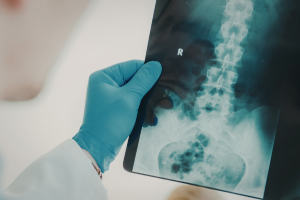
X-ray guided outpatient injections
Some spinal and joint injections require precise fluoroscopic guidance and these can often be arranged in Outpatients, involving less time in hospital than daycase procedures and less cost to the patient.

Ultrasound guided injections
We offer ultrasound guided injections in Outpatients such as piriformis injections and occipital nerve injections.

Botox injections
Botulinum toxin blocks the release of certain neurotransmitters such as acetylcholine (which causes muscle contraction) and substance P / glutamate (which transmit pain signals). This can lead to muscle relaxation, reduced nerve sensitisation and decreased pain perception. It can be administered with and without steroid.

Links to useful resources and self management
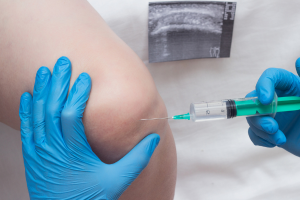
Hyaluronic acid joint injections
Viscosupplementation injections are a treatment for joint pain, commonly in the knee, where a hyaluronic acid (HA) solution is injected directly into the joint to improve lubrication, reduce pain, and improve function. Hyaluronic acid is a natural component of synovial fluid, which lubricates and cushions joints. In osteoarthritis, the viscosity and elasticity of joint fluid decreases, leading to pain and stiffness. Injecting HA or viscosupplementation can restore joint lubrication, reduce friction during movement, and may protect cartilage and improve joint function.

Radiofrequency Denervation
Radiofrequency denervation is a minimally invasive pain management procedure used to reduce chronic pain by disrupting pain signals from specific nerves. It is commonly used for back, neck and joint pain. A thin needle (electrode) is guided to the target nerve under xray, and radiofrequency energy is applied through the needle, which heats and disables the nerve fibres that transmit pain signals, which can result in a reduction of pain in the affected area. The nerve may eventually regenerate. Our Consultants offer radiofrequency denervation procedures to treat pain in the spinal facet joints, the sacroiliac joint (SIJ) and other large joints such as the shoulders and knees.

Epidural injections for back and leg pain
Our Consultants offer cervical epidural injections, thoracic epidural injections, lumbar epidural injections and caudal epidural injections to treat various conditions and symptoms.

Medication management
As part of your assessment and treatment our Consultants will talk to you about what medications you have tried in the past, what has worked and what hasn’t, and the benefits vs adverse effects of medication.

Other conservative treatment
Physiotherapy can help to reduce pain and inflammation, improve mobility and flexibility, restore strength and function, prevent further injury, enhance overall physical fitness and well-being, and improve quality of life. Physiotherapy is commonly used for injuries, chronic pain, musculoskeletal problems, neurological conditions, and rehabilitation after surgery.

Get long term relief from chronic pain.
Speak to us today and find out how we can help.