Conditions
Our Consultants in Pain Management treat a wide range of conditions from chronic back pain, neck pain, joint pain, nerve pain, musculoskeletal and myofascial pain, to more specialist areas such as pelvic pain, fibromyalgia, chronic pain, headache and migraine.

Spinal, back and neck pain
We provide expert care for chronic back pain, including lower back pain, slipped disc pain, and sciatica. As a specialist spinal pain clinic, we use advanced diagnostics and targeted treatments to relieve pressure, reduce inflammation, and restore movement.
We assess and treat painful conditions in the cervical spine (stiffness and aching in the neck), thoracic spine (pain in the upper back/between the shoulder blades), lumbar spine (lower back – the most common type of back pain) and the coccyx/tailbone. Musculoskeletal (mechanical) back pain can originate from the muscles, ligaments, joints, discs, or bones and symptoms can include localised pain and stiffness which is worse with movement but better with rest. Neuropathic (nerve-related) back pain can originate from irritated, compressed, or damaged nerves and can feel like sharp, shooting, or burning pain, with tingling, numbness and pain radiating to legs. Inflammatory back pain originates from autoimmune or inflammatory conditions and can results in symptoms such as morning stiffness, pain that improves with activity but worsens at night.
Neuropathic pain
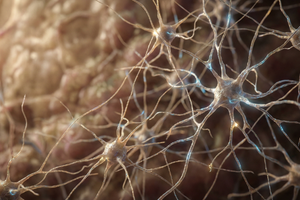
Neuropathic pain is pain caused by damage or disease affecting the nerves themselves and can feel like burning, shooting or stabbing, electric shock–like, tingling or “pins and needles”, numbness. Neuropathic pain can occur without an obvious injury, and even light touch (like clothing or a breeze) can be painful.

Musculoskeletal (MSK) pain
Musculoskeletal pain refers to pain that comes from the body’s muscles, bones, joints, tendons, ligaments, or connective tissues. MSK pain is often described as aching or throbbing, soreness/stiffness, cramping, worse with movement or activity & better with rest. Unlike neuropathic pain, it usually has a clear mechanical trigger (movement, posture, overuse, or injury).

Pelvic pain
Pelvic pain covers pain felt in the lower abdomen or pelvic region, below the belly button and between the hips, by males and females. It is a broad term, not a diagnosis, because it can come from many different organs and tissues in that area. Pelvic pain can be related to movement, urination, bowel movements, sexual activity, or menstrual cycles, or it may occur without a clear trigger. Common causes can be gynaecological, urological, gastrointestinal, musculoskeletal or neuropathic, and pelvic pain can be acute or chronic.

Fibromyalgia
Fibromyalgia is a chronic condition that causes widespread pain and migraines/tension headaches. It may also cause fatigue, poor sleep, and mood problems, like anxiety or stress. It does not cause any abnormalities on imaging or blood tests and there is currently no cure for fibromyalgia. The right combination of medications, exercise and therapy can help to manage symptoms.
Headache and migraine
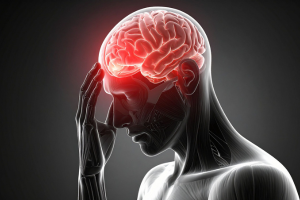
The term ‘headache’ refers to any pain in the head and there are many types. Tension-type headaches (most common) can be characterised by a dull ache or pressure-like pain, they can feel like a tight band around the head, can sometimes be linked to stress, poor posture, or muscle tension, and are mild to moderate in intensity. Migraines tend to be moderate to severe, often throbbing or pulsating, often on one side of the head, associated with nausea, vomiting, light and sound sensitivity, sometimes sufferers note an ‘aura’ (visual changes, tingling) before the headache. Cluster headaches are severe, sharp, or burning pain around one eye or temple, associated with eye redness, tearing, nasal congestion. Secondary headaches are caused by other conditions such as sinus infections, dehydration, high blood pressure or head injury.

Chronic pain
Chronic pain is pain that lasts longer than expected for normal healing, typically 3 months or more, even if the original injury or cause has healed or is no longer present. Chronic pain can be constant or intermittent, ranging from mild to severe. It can affect sleep, mood, work and daily activities. Chronic pain can develop due to ongoing disease or injury, nerve damage, central sensitisation (the nervous system becoming overactive and amplifying pain signals), or psychological and social factors (stress, trauma, poor sleep). Chronic pain can be present without visible injury or inflammation.

Joint pain
Joint pain (arthralgia) can be discomfort, soreness, or inflammation in the shoulders, wrists, hips, knees, ankles – anywhere that two or more bones meet. Joint pain can affect movement, function, and quality of life with pain that may be sharp, dull, aching or throbbing and may be accompanied by swelling, stiffness (especially in the morning or after inactivity), warmth or redness, and reduced range of motion.
“As an old lady now 90, I am delighted to recommend the Cheltenham Pain Clinic. Dr Francis and his team are always helpful and and a pleasure to visit. More to the point I am now relatively pain free which is wonderful.” Patient JP, March 2026

Get long term relief from chronic pain.
Speak to us today and find out how we can help.